Pedir perdón no es solo decir “lo siento”. Es reconocer, sentir y tener el valor de acercarte de nuevo. Las palabras correctas, acompañadas de un gesto sincero como flores, pueden abrir el camino hacia la reconciliación.
Hay momentos en los que las palabras se quedan cortas… y es ahí donde un gesto puede marcar la diferencia. Las flores no borran lo ocurrido, pero sí pueden abrir una puerta que parecía cerrada. Si estás aquí, es porque esa persona realmente te importa… y eso ya es el primer paso.
Cuando el error pesa más que las palabras
Todos cometemos errores. Algunos pequeños… otros que crean distancia. Lo difícil no es equivocarse, sino encontrar la forma de volver. Pedir perdón con sinceridad demuestra algo más fuerte que el orgullo: tu deseo real de hacer las cosas mejor.
Mensajes sinceros para pedir perdón
Arrepentimiento real
“No puedo cambiar lo que pasó… pero sí puedo demostrarte que aprendí.”
Dolor sincero
“Me duele saber que fui yo quien te lastimó. Perdóname.”
Madurez
“Amar también es reconocer cuando uno se equivoca.”
Emocional
“Ojalá estas flores digan lo que me cuesta expresar.”
Reconexión
“No quiero que todo sea igual… quiero que sea mejor.”
Humilde
“No tengo excusas, solo ganas de arreglarlo.”
Amor real
“Si sigo aquí es porque lo que siento por ti es real.”
Directo
“Perdóname… de verdad.”
Las flores ayudan a decir lo que cuesta hablar
Un ramo transmite intención, respeto y emoción. Las rosas rojas hablan de amor, las blancas de sinceridad. Un detalle floral puede suavizar el momento y abrir una conversación. A veces, ese pequeño gesto es el comienzo de todo.
Envía flores para pedir perdón
Convierte tus palabras en un gesto real. Haz que tu disculpa se sientas, no solo se diga.
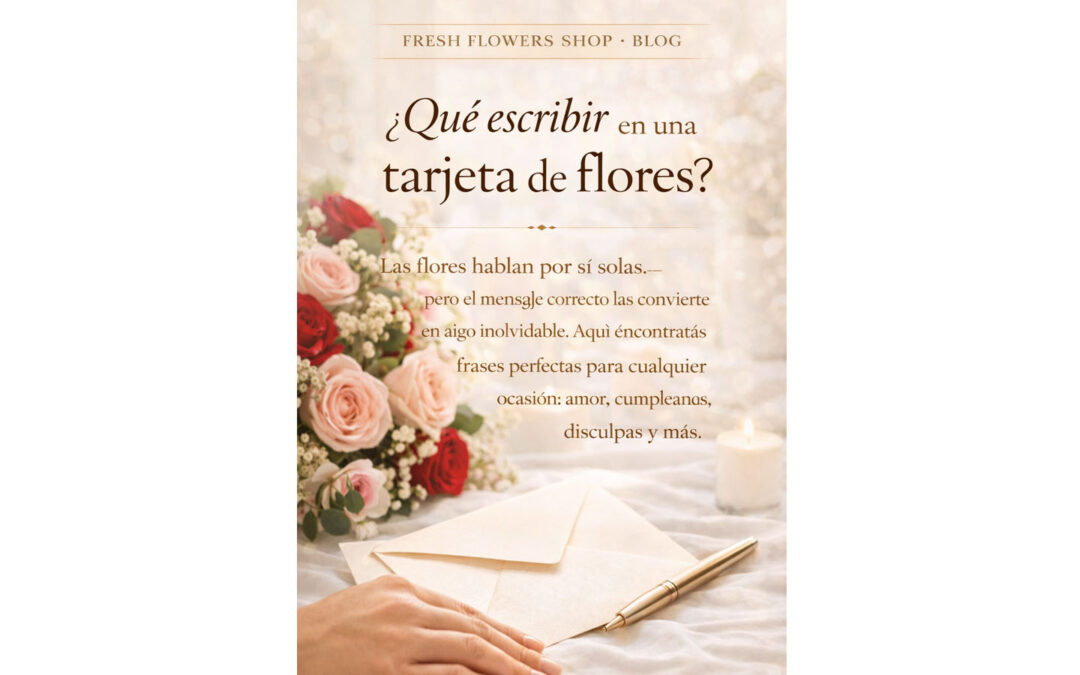
Las flores hablan por sí solas… pero el mensaje correcto las convierte en algo inolvidable.
Aquí encontrarás frases perfectas para cualquier ocasión: amor, cumpleaños, disculpas y más.
Mensajes románticos para flores
Amor profundo
“Eres la razón de mis mejores momentos. Estas flores llevan todo mi amor.”
Pasión
“Cada pétalo representa lo que siento por ti: amor, deseo y admiración.”
Elegante
“Tu presencia hace todo más hermoso… como estas flores.”
Corto
“Para ti, con todo mi amor.”
Mensajes para cumpleaños
Clásico
“Feliz cumpleaños. Que tu día esté lleno de alegría y flores hermosas.”
Especial
“Hoy celebramos tu vida… y todo lo bonito que traes a los demás.”
Cariñoso
“Que estas flores te recuerden lo especial que eres.”
Simple
“Feliz cumpleaños. Disfruta tu día al máximo.”
Mensajes para pedir perdón
Sincero
“Lo siento de corazón. Espero que estas flores expresen lo que no supe decir.”
Reflexivo
“Me equivoqué, pero quiero hacerlo mejor.”
Emocional
“Nada duele más que haberte lastimado.”
Corto
“Perdóname.”
Mensajes de condolencias
Respetuoso
“Con profundo cariño en este momento difícil.”
Elegante
“Que estas flores lleven un poco de paz a tu corazón.”
Simple
“Con todo mi apoyo y respeto.”
Espiritual
“Siempre en nuestros corazones.”
El mensaje perfecto hace la diferencia
Un ramo puede impresionar… pero una frase bien elegida crea emoción.
Elige tus palabras con intención y haz que tu regalo sea inolvidable.
Envía flores con mensaje personalizado
Haz tu pedido hoy y agrega tu mensaje en la tarjeta.
Planning a corporate event that leaves a lasting impression? Whether it’s a conference, product launch, gala dinner, or networking session, floral arrangements can transform your event into an unforgettable experience. At Fresh Flowers Inc., located in the heart of Hialeah, we offer customized floral solutions that not only beautify but also amplify your brand’s identity. Here are inspiring ideas for any company to incorporate our flowers into their next corporate event and make every moment count.
Why Flowers Are Essential for Corporate Events
Flowers do more than decorate—they tell your brand’s story, create welcoming atmospheres, and foster emotional connections with your guests. From tech startups to law firms or creative agencies, any company can benefit from the magic of flowers. At Fresh Flowers, we collaborate with you to design arrangements that align with your vision, budget, and goals. Here are some ideas to spark your imagination:
Ideas to Incorporate Fresh Flowers into Your Event
1. Centerpieces That Reflect Your Brand
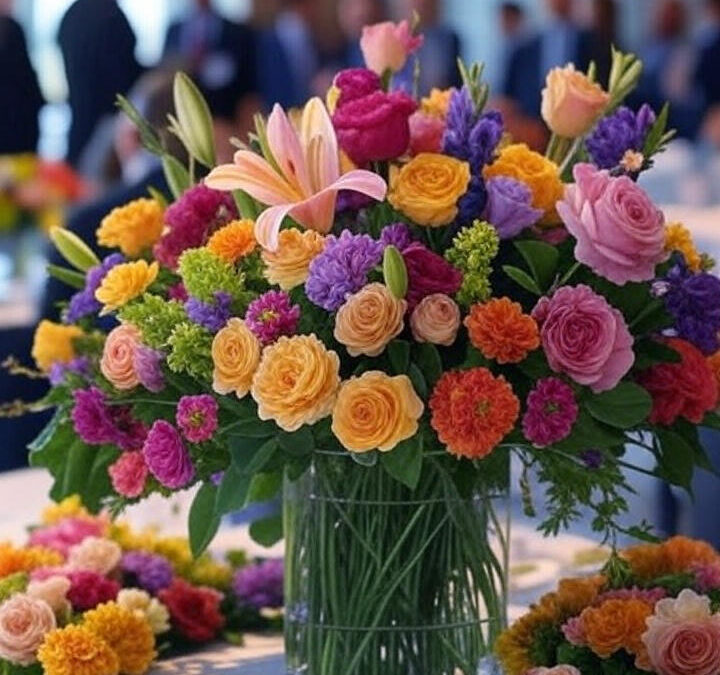
Picture a conference where every table features a floral arrangement showcasing your logo’s colors. For example:
For a tech company: Modern arrangements with white orchids and green foliage in geometric vases, projecting innovation.
For a law firm: Elegant centerpieces with white roses and lilies, conveying professionalism and sophistication.
For a creative agency: Vibrant mixes with sunflowers and proteas in bright hues that scream creativity.
At Fresh Flowers, we tailor every arrangement to echo your brand, from design to details.
2. Floral Walls for Memorable Photos
A floral wall is perfect for events like product launches or receptions. Place your company logo at the center and let attendees snap photos against a backdrop of roses, hydrangeas, or tropical blooms. These images will spread across social media, boosting your brand’s visibility. We ensure the design is striking and Instagram-worthy.
3. Floral Gifts for Your Guests
Surprise your attendees with small floral touches, like a single rose wrapped in a ribbon with your brand’s colors or a mini arrangement to take home. For example:
At a networking event, offer boutonnieres to break the ice.
At a gala dinner, gift a small bouquet as a memento of the occasion.
These gestures make guests associate your brand with warmth and attention to detail.
4. Arches and Stages That Impress
A floral arch at your event’s entrance or an arrangement behind the stage can transform the ambiance. For example:
For a product launch: An arch with flowers in your campaign’s colors, creating a perfect frame for presentations.
For a charity gala: An elegant design with white blooms and candles for a luxurious touch.
At Fresh Flowers, we use the freshest, highest-quality blooms to ensure every design is breathtaking.
5. Sustainable Decor for Eco-Conscious Companies
If your company values sustainability, we offer arrangements with locally grown, seasonal flowers from the Miami area. We can also create reusable designs or donate flowers post-event to local organizations, reinforcing your commitment to the environment.
Why Choose Fresh Flowers for Your Corporate Event
Total Customization: We work with you to create arrangements that reflect your brand, from colors to style.
Guaranteed Quality: Our fresh flowers and carefully crafted designs ensure a lasting visual impact.
Local Service in Hialeah: As a local business, we understand the needs of Miami companies and offer personalized attention.
Budget Flexibility: From minimalist arrangements to lavish decor, we tailor our proposals to your needs.
Hassle-Free Logistics: We handle delivery, setup, and takedown so you can focus on your event.
Success Stories
A Miami tech startup used our services for their first networking event. We created centerpieces with succulents and cobalt blue accents, matching their logo. Attendees couldn’t stop talking about the fresh, original decor, and event photos went viral on social media.
In another case, a local company celebrated its 10th anniversary with a corporate dinner. We designed tall arrangements with lilies and eucalyptus, and each guest received a personalized rose as a keepsake. The client called it “the perfect touch for an unforgettable night.”
Make Your Event Unforgettable with Fresh Flowers
No matter your company’s size or industry, Fresh Flowers Inc. can take your corporate event to the next level. From startups to established corporations, we’re here to help you create moments that reflect your brand and leave a lasting impression.
Ready to plan your next event? Contact us today for a free consultation and discover how we can bring your vision to life with fresh, unique floral designs. 🌸
📞 Call us at 786-285-4243 or visit us at 3715 W 16 ave Hialeah 33012. You can also email us at [insert email] to get a quote for your corporate event.
Comprehensive Wedding Planning Guide: From Vision to “I Do” and Beyond
Introduction: The Journey to the Big Day
The engagement marks the beginning of one of the most exciting and significant stages in a couple’s life. It is a period of immense joy, anticipation, and the promise of a shared future. However, planning a wedding, with its myriad decisions and logistical details, can quickly become a source of overwhelm. From choosing the venue to selecting the menu, each step requires careful consideration and coordination, sometimes making the task seem daunting.
This comprehensive guide has been meticulously crafted to demystify the wedding planning process, transforming what could be stressful into an organized and, above all, deeply enjoyable experience. It will provide clarity through actionable steps and offer expert insights to ensure every decision is informed and, ultimately, that the celebration authentically reflects the couple’s love story. The primary goal is for the wedding to be memorable not only for the “big day” itself but also for the beautiful and collaborative planning journey that led to that momentous occasion.
I. Defining Your Vision and Priorities: The Fundamental Questions
Before diving into the intricate web of logistical details, it is imperative that the couple dedicates time to joint and honest reflection. Answering a series of fundamental questions will establish the foundation for all planning, ensuring that both partners’ expectations and desires are perfectly aligned from the outset. This initial step is the cornerstone upon which the entire celebration will be built.
Aligning Expectations: What kind of wedding do you want?
The first crucial conversation should focus on the very essence of the celebration. It is essential for the couple to discuss and define the vision for their wedding. Do they lean towards something intimate and small, or do they dream of a grand celebration with a large number of guests? The choice between these two scales will directly impact almost all subsequent decisions, from the budget to the venue selection. Furthermore, it is important to consider whether they wish to create a specific theme, style, or atmosphere. For example, do they prefer a rustic aesthetic, classic elegance, a modern touch, or a bohemian and relaxed style?
Identifying the elements that are most important to the couple is an essential prioritization exercise. For some, gastronomy and the culinary experience may be paramount; for others, the music and entertainment that keep guests dancing all night; or perhaps professional photography and videography to artistically capture every moment. A specific venue or an elegant outdoor setting filled with custom floral arrangements that hold sentimental meaning could also be an indisputable priority. This early definition of the vision acts as a strategic filter for future decisions.
Without a clear and shared vision, every choice, such as the venue or catering, could become an isolated decision, potentially leading to contradictory aesthetics, an uncontrolled budget, and a celebration that does not truly reflect the couple’s personality. By having a defined overview, it becomes easier to discard vendors or ideas that do not align with the central essence of the wedding, optimizing time, resources, and reducing stress. This ensures cohesion in the theme and atmosphere, making the celebration feel more authentic and personal. Furthermore, it facilitates resource allocation, directing greater investment to those elements that are truly significant to the couple’s vision, such as food for gastronomy lovers or photography for those who value lasting memories.
Establishing a Realistic Budget: How much and who contributes?
The financial aspect is an unavoidable pillar in wedding planning and must be addressed with complete honesty and transparency between the engaged couple. It is essential to determine a realistic wedding budget, establishing how much can and will be spent in total. This conversation should include defining who will contribute financially, whether it’s the couple themselves, their parents, or other family members. A crucial, and often underestimated, element is the inclusion of a contingency fund, which generally ranges between 10% and 15% of the total budget. This cushion is vital to cover unforeseen expenses that, based on experience, will inevitably arise.
The budget is not merely a restrictive figure; it is a strategic resource allocation tool that shapes the entire bridal experience. Global research metrics indicate that the average cost of a wedding sits at approximately $33,000, a notable increase from previous years, which underscores the imperative need for solid financial planning. The interconnection between budget and vision is undeniable: an ambitious vision without a realistic financial framework can lead to disappointment and economic tensions. Conversely, integrating financial discussions with vision definition from the initial stages allows for a more harmonious and realistic planning process, avoiding painful cuts in later stages. This practice also fosters financial transparency and valuable teamwork between the couple, laying a solid foundation for married life.
The Guest List: Quantity, composition, and special considerations
The guest list is a determining factor that directly influences both the budget and the choice of celebration venue. The couple should reflect on how many guests they expect and who will be included on this list. It is advisable to prepare a preliminary guest list, which, although mutable, will serve as an ideal starting point. A key decision is whether the invitation will extend only to close family and friends, or if it will also include colleagues, acquaintances, and other associates. Another important aspect is to define whether the wedding will be an adults-only event or if children will be allowed to attend.
The guest list is not simply a record of attendees; it is a strategic decision that directly impacts the scale, cost, and overall atmosphere of the wedding. The number of guests has a direct and linear relationship with associated expenses, such as catering, venue size, invitations, and favors for attendees. Limiting the number of children or keeping the guest list smaller are direct ways to optimize the budget. Beyond the economic aspect, the guest list defines the level of intimacy and the ambiance of the celebration. A smaller list tends to correlate with a more personal and manageable event, a notable characteristic of destination weddings, which by their nature usually involve a smaller group of loved ones. Therefore, the couple should approach list preparation with intentionality, balancing the desire to share their day with loved ones with budgetary constraints and their vision for the intimacy of their celebration.
When and Where: Date, season, and venue significance
The choice of wedding date and venue are fundamental decisions that will impact vendor availability, the overall cost of the celebration, and the predominant aesthetic. The couple should consider if they have a specific date or season in mind, whether spring, autumn, summer, or winter, as each season offers a distinct atmosphere and possibilities. Likewise, it is crucial to decide whether the wedding will take place in their home city, at a special destination requiring travel, or at a venue with particular sentimental meaning for both. It is advisable to select the date well in advance and consider at least two or three potential dates to check the availability of desired venues.
The timing and location are not merely logistical decisions; they are strategic levers that shape the budget and guest experience. Peak season dates and high-demand venues typically entail higher costs and limited availability. Opting for off-peak dates or less conventional venues, such as a low-season month, can generate significant savings. Destination weddings are a growing trend, as they offer a unique experience that invites travel, enjoying new environments, and discovering customs, while by their nature, they tend to reduce the guest list, fostering a more intimate atmosphere. This type of celebration can transform the wedding into a multi-day event or even a mini-vacation for attendees.
The Heart of the Celebration: Ceremony (civil, religious, symbolic)
The ceremony is the emotional core of the union, the moment the couple formalizes their commitment. It is essential to decide whether a religious, civil, or a combination of both ceremonies is preferred, and to determine the specific location for each. Planning your wedding ceremonies beforehand addresses in detail the different types of documents and local structural timelines required to ensure the marriage is legally binding.
Legal procedures are the foundation of marriage validity and should not be an afterthought. Research reveals that legal requirements, especially for civil and religious ceremonies, are complex and time-consuming. For example, civil marriage processes typically involve three main steps: processing the marriage file before the local Civil Registry, the official ceremony itself, and subsequent legal registration. Necessary documents usually include valid government IDs of both parties, a certified copy of birth certificates, proof of residency, and designated witness validations.
The choice of venue for the civil ceremony also has implications for time and cost. Getting married at a local courthouse or registry office is often a free or low-cost process, but waitlists can take months. On the other hand, the option of getting married before a Notary Public significantly speeds up the processing window, although it incurs specific professional fees. Getting married at a City Hall or city-approved public pavilion also involves paying municipal fees for the use of the facilities.
For religious ceremonies, the requirements are specific. For example, for a traditional Catholic rite, documents such as a certified copy of baptismal and confirmation certificates (often required to be issued within six months of the wedding) are needed, alongside single-status affidavits. An ecclesiastical marriage file must be opened in the desired parish, which includes an interview with the parish priest to ensure the couple’s spiritual and legal readiness.
Delays in obtaining documents or processing the marriage file can postpone the wedding date or, in extreme cases, invalidate the ceremony. Complexity increases considerably in international marriages, which require official apostilles and certified sworn translations of all foreign documents. Therefore, prioritizing legal and administrative procedures with an ample time cushion is absolutely crucial to avoid last-minute setbacks.
Gastronomic Experience: Food, drink, and preferences
Food and drink are central elements in the guest experience and often represent a significant portion of the total wedding budget. The couple must decide what type of culinary offering they desire: a formal seated banquet, a buffet with various options, interactive food stations, or something more casual like a cocktail reception. It is crucial to consider guests’ dietary restrictions, such as allergies, food intolerances, or vegetarian/vegan preferences, as well as any cultural preferences that should be incorporated. Regarding beverages, the desired type of bar must be defined: open bar, cash bar, or a custom limited selection of premium wine and beer.
The choice of food and beverage service directly impacts both the cost and the overall atmosphere of the celebration. For example, opting for an elegant daytime brunch or high tea instead of a multi-course formal dinner, or limiting drink options to beer, wine, and a signature toast, can generate significant savings. Creativity in food selection, such as serving premium small plates, gourmet tapas, or choosing seasonal local ingredients presented innovatively, allows for cost reduction without sacrificing the quality of the experience. Modern trends include interactive options like gourmet Food Trucks and fair-style catering stations, transforming dinner into an interactive and highly social experience.
Rhythm and Atmosphere: Music and entertainment
Music and entertainment are essential components for setting the desired atmosphere and keeping guests lively and engaged throughout the celebration. The couple must determine the importance they place on these elements. Do they prefer the versatility of a DJ, the energy and dynamism of a live band, or a combination of both? Additionally, it is crucial to define the type of music they want played, ensuring it resonates with their tastes and those of their guests. It is also important to consider whether any additional entertainment will be included, such as an interactive photo booth, a live performance, or choreographed dances that add a unique touch to the reception party.
Entertainment is a crucial investment in the guest experience and a powerful tool to reinforce the overall wedding theme. It’s not just background noise; it’s about creating memorable moments and ensuring guests fully enjoy themselves. Current trends show a shift toward highly energetic, festival-inspired sets or close-knit live acts that promote continuous dancing. For couples on a tight budget, options like renting professional audio equipment and curating a custom high-fidelity digital playlist, or hiring talented musicians from a local university conservatory, can generate significant savings without compromising the quality of the atmosphere.
Aesthetics of the Day: Visual and decorative elements
Decoration is the art of transforming the celebration venue into the dream setting the couple has imagined. When planning, it is essential to consider a cohesive color palette that reflects the wedding’s personality and style. The choice between natural premium flowers, elaborate botanical structures, or minimal organic elements will depend entirely on the budget and aesthetic vision. Furthermore, the strategic importance of ambient lighting, luxury linens, and architectural centerpieces cannot be underestimated, as these elements define the overall visual atmosphere of the room.
Decoration is more than just pretty elements; it is a narrative medium that sets the mood and reinforces the couple’s unique story. Contemporary design trends highlight “green power” with a massive presence of natural elements such as fresh statement flowers, lush foliage plants, and wooden accents, complemented by architectural lighting using neon signs, custom candle displays, and warm LED garlands to create magical backdrops. Popular wedding styles, such as vintage, classic elegance, or industrial urban chic, have their own distinct color palettes: pastel tones and dried pampas for vintage; crisp white, romantic nude, and crystal chandeliers for classic; and minimalism with structural metal elements and warm edison bulbs for an urban look.
Critically, decoration is also a highly flexible budget category. Opting for naturally scenic venues that require little structural decoration, utilizing authentic DIY elements, or incorporating abundant seasonal greenery and local flowers can significantly reduce costs while maintaining a massive visual impact. The goal is to achieve an artistic cohesion that tells the couple’s story beautifully.
Capturing Memories: Photography and video
Photography and videography are the essential tools that will allow the couple to relive the most treasured moments of their big day, turning them into tangible memories that will last through time. It is essential to decide whether both services are desired and what visual style is preferred: a documentary approach that captures raw spontaneity, a traditional editorial style with classic posing, or a highly artistic, cinematic proposal. Additionally, it is important to communicate to the professionals if there are specific family dynamics or irreplaceable moments that must be documented with special care.
Photography and videography are not just services; they are investments in the couple’s lifelong legacy. The current trend moves away from rigid, overly staged poses, favoring candid photojournalism, artistic motion blur, and rich color grading that captures the true personality and emotion of the day. The emergence of the professional Wedding Content Creator is a direct response to the desire for immediate, social-media-ready content. This specialized role works alongside the traditional media team to capture behind-the-scenes video clips, behind-the-lens moments, and reels in real-time, providing instant digital memories for the modern era.
The Support Team: Wedding Planner or help from loved ones?
One of the most strategic early decisions is to determine the level of professional assistance to be hired. The couple must decide whether they want a full-service wedding planner to handle all organization—from initial concept and vendor sourcing to final execution—or if they prefer a partial package limited exclusively to “day-of” event coordination. Alternatively, they can consider whether close family members or trusted friends can step in to manage specific tasks.
Professional assistance is a strategic investment in stress management and flawless execution. Organizing a wedding can take hundreds of hours, and an experienced coordinator can streamline the process, reduce costs through pre-negotiated vendor networks, and expertly manage complex timelines. Attempting to manage every single operational detail alone without a planner or dedicated delegation often leads to unnecessary fatigue, whereas trusting an expert professional ensures the celebration flows seamlessly from start to finish.
Personal Touches: Traditions and unique details
The wedding is an unparalleled opportunity for the couple to infuse their personality and love story into every detail of the celebration. It is important to consider whether they wish to incorporate any family, cultural, or religious traditions that are deeply meaningful to them. These custom rituals add a profound layer of connection to their roots. Beyond heritage traditions, the couple can incorporate creative details that reflect their unique journey, such as elements that symbolize shared hobbies, funny milestones, or geographic locations that have marked their relationship history.
Authenticity is a fundamental pillar for a memorable celebration. A wedding that genuinely reflects the couple’s essence feels personal and moving for both the hosts and the guests. These intimate personal touches create a gorgeous, unified narrative. For example, a couple who loves to travel could name reception tables after countries they have explored together or incorporate international flavors into the custom cocktail menu, personalizing the guest experience to the highest degree.
II. Key Aspects and Detailed Logistics: From Theory to Practice
Once the couple has defined their overall vision and answered the fundamental questions, it is time to delve into the logistical and practical details. This phase involves a meticulous, step-by-step wedding planning checklist and the execution of every operational aspect to ensure the celebration runs smoothly.
Detailed Planning and Budget
Detailed planning is the ultimate roadmap for financial and operational stability. Once the total budget is established, it is crucial to allocate fixed percentages to each spending category, such as venue rental, catering services, photography, bridal attire, and custom floral design. Being realistic and prioritizing expenses from day one is fundamental to avoiding financial surprises. It is absolutely essential to maintain the structural contingency fund previously mentioned to absorb last-minute operational adjustments.
Creating a detailed timeline or task schedule with clear deadlines is vital for effective organization. This master schedule should outline when key milestones must be reached, such as locking in the date and venue (12-18 months in advance), hiring key structural vendors (6-8 months in advance), and mailing out the official wedding invitations (3-4 months in advance). Continuously monitoring expenses via a cloud spreadsheet or specialized budget application will allow the couple to spot discrepancies early and balance accounts efficiently.
All vendor contracts must be reviewed carefully, ensuring a complete understanding of payment schedules, non-refundable deposits, cancellation policies, and explicit service deliverables. This level of diligence is crucial to prevent misunderstandings and ensure all vendor expectations are aligned from the beginning.
Guest Management and Communication
Proactive communication and clarity in etiquette are fundamental for a harmonious guest experience. Once a baseline guest count is established, it is highly recommended to organize the list into a primary “A-list” and a secondary “B-list” to manage capacity dynamically if venue space or budget constraints arise. The wedding invitations—whether digital or printed—must display all essential data clearly: the exact date, arrival times, maps, dress codes, and the final RSVP deadline. Creating a custom wedding website to centralize hotel blocks, registry links, and digital RSVPs is an excellent logistical choice.
Maintaining strict tracking of guest confirmations is vital for finalizing catering orders and drafting the reception seating charts. In terms of guest etiquette, basic rules of courtesy include responding to the RSVP promptly, arriving at the ceremony venue at least 15-30 minutes before the scheduled start time, and adhering to the requested dress code, remembering that white and ivory tones are strictly reserved for the bride’s wedding gown.
The Celebration Venue (Reception)
The choice of celebration venue is the central axis of wedding logistics and the overall guest experience. The couple must ensure that the floor plan can comfortably accommodate the guest count and that its architectural layout is highly functional for all planned events, such as the dance floor placement, food stations, or custom table arrangements. It is essential to explicitly ask what services the rental fee covers, such as tables, chairs, luxury linens, tableware, security, setup staff, and post-event cleaning.
Venue restrictions are a critical aspect to analyze: hard sound curfews, decibel limits, policies regarding outside catering or preferred DJs, and specific decoration guidelines (e.g., bans on open candles or confetti). If the event is outdoors, having a fully executable “Plan B” weather contingency, such as an adjacent indoor room or pre-booked pavilion tents, is completely non-negotiable. It is highly recommended to secure the venue contract at least a year in advance to lock in preferred dates.
Food and Drink
Gastronomic personalization is an incredible opportunity to surprise and delight your guests. The official menu tasting session offered by catering companies is a crucial milestone for finalizing the dishes that will be served. It is absolutely imperative to ensure that alternative menus are available for guests with special dietary restrictions, food allergies, intolerances, vegan or vegetarian lifestyles, and custom kids’ meals for children.
The traditional wedding cake has evolved significantly. Grand, multi-tiered structural cakes are giving way to sleek, minimalist designs that prioritize premium ingredient flavors, unique textures, and organic decoration, such as fresh seasonal fruits or edible flowers. Couples can also explore innovative dessert tables, artisanal donut bars, macaron towers, or individualized dessert flights. For the beverage program, establishing precise bar hours and creating signature craft cocktails named after the couple adds an amazing touch of personalization.
Entertainment and Music
Music is a transformative element that commands the emotional energy of the wedding. For the ceremony, the couple should decide whether they prefer live instrumental music (such as a classical string quartet, harp, or acoustic guitar) or recorded tracks, mapping out the specific songs for the wedding party processional, the bride’s entrance, and the celebratory recessional. For the reception party, continuous synchronization with the DJ or live wedding band is fundamental to building a dynamic setlist that keeps the dance floor packed all night, including milestones like the couple’s first dance.
It is vital to confirm that the venue’s electrical infrastructure and the vendor’s audio packages include high-quality sound engineering, wireless microphonía, and dance floor lighting systems. Modern trends focus heavily on immersive entertainment experiences, utilizing custom LED walls, interactive lighting, or surprise live performers during the party to maximize guest energy.
Photography and Video
The selection of your media team is a direct investment in the permanent legacy of the wedding. The couple should select professionals whose portfolios match their desired aesthetic, whether that is candid photojournalism, editorial fashion photography, or high-end cinematic videography. Reviewing multiple full wedding galleries from start to finish is essential to check for lighting consistency across different environments, from midday sun to low-light reception halls.
It is crucial to understand the exact deliverables included in each service package, such as total hours of continuous coverage, minimum edited image guarantees, online digital gallery delivery timelines, luxury printed albums, aerial drone footage, or the presence of a second shooter. Providing the photographer with a tight list of mandatory family portrait groupings ensures this segment of the day is executed efficiently without omitting any key family members.
Attire and Personal Appearance
Bridal fashion is an incredible expression of personal style and a highly anticipated element of the planning process. Finding the perfect wedding gown and groom’s attire requires an ample timeline for boutique appointments, custom tailoring, fabric sourcing, and final fittings. It is highly recommended to begin the search for the wedding dress at least 9 months before the date, and the groom’s styling roughly 6 months prior to avoid rush fees.
Current bridal gown trends highlight beautiful minimalist silhouettes, clean clean lines, chic two-piece sets, structural short dresses for the reception change, or tailored bridal jumpsuits paired with statement sleeves. Wardrobe accessories like bridal shoes, heirloom jewelry, custom veils, ties, or luxury cufflinks pull the entire look together beautifully. Finally, booking professional hair and makeup trials well in advance guarantees a flawless, long-lasting look tailored for photography on the big day.
Decoration and Flowers
The floral and decor design serves as the visual glue that instantly transforms a wedding space. The couple must define the flower varieties, color palettes, and structural arrangements required, including the bridal bouquet, reception centerpieces, groom’s boutonnieres, and grand altar backdrops. It is crucial to select seasonal blooms that coordinate naturally with the environment and time of year.
Strategic lighting design plays an absolute key role in ambient styling, using warm up-lighting, romantic candlelight grids, extensive fairy-light canopies, or custom neon signs to build a breathtaking atmosphere as day turns to night. Partnering with a professional wedding florist or event designer ensures an incredible visual impact and seamless aesthetic execution across all spaces.
Additional Details and Logistics
Operational logistics form the invisible foundation for a stress-free wedding day. It is vital to arrange reliable transportation for the couple and evaluate if group transit solutions, like shuttle buses or luxury coaches, are needed to move out-of-town guests safely between the ceremony and reception sites. For guests traveling long distances, coordinating discounted room blocks at nearby partner hotels is a fantastic touch of hospitality.
Assembling a comprehensive bridal emergency kit for the day of the event—stocked with items like painkillers, blister band-aids, a compact sewing kit, safety pins, and quick makeup touch-up products—is an excellent preventive strategy. Furthermore, the couple must map out the seating charts (seating plan) clearly and position the physical escort cards or seating boards prominently at the reception entrance to prevent bottlenecking as guests enter the banquet hall.
III. After “I Do”: Married Life and Preserving Memories
The “I do” marks the beginning of a beautiful new chapter, but the wedding journey extends beyond the last dance of the reception. Completing key post-wedding tasks ensures a smooth transition into married life while protecting the investments made in your memories.
Honeymoon: Planning and types
The honeymoon is a gorgeous extension of the wedding celebration and a priceless window for the newlyweds to unwind and connect. Booking flights, accommodations, and custom excursions well in advance guarantees access to top-tier destinations and seasonal promotions. Contemporary honeymoon trends vary widely, ranging from traditional tropical beach escapes and eco-adventure tours to immersive cultural honeymoons or extended travel itineraries customized to the couple’s bucket list. Ensuring all international passports, travel documents, and required medical visas are valid well ahead of time is vital.
Post-Wedding Management
Post-wedding administration is essential for wrapping up the event seamlessly. One of the first tasks of courtesy is sending out personalized, hand-written thank-you notes to guests for their presence and wedding gifts, as well as leaving professional reviews for the vendors who provided excellent service. Additionally, the couple should settle all final contract balances with vendors and return any rented attire or decor items within the specified return window to avoid late fees.
On the legal side, depending on your region or country of residence, the couple should submit the signed marriage license to obtain the official marriage certificate from the Civil Registry. This document is required to legally update marital status or execute official name changes across government identification documents, Social Security records, banking institutions, insurance policies, and passports.
Preserving Memories
Preserving the physical elements of the day safeguards them as valuable family heirlooms. The wedding gown should be taken to a specialized archival dry cleaner as soon as possible to treat invisible stains and then stored safely in an acid-free preservation box wrapped in acid-free tissue paper. Similarly, the bridal bouquet flowers can be preserved beautifully using professional freeze-drying, custom resin encapsulation, or artistic framing of pressed petals.
Once the professional wedding galleries are officially delivered, curating a premium, flush-mount printed wedding album and securing secure cloud backups of all digital media ensures these historic family moments are preserved perfectly for generations to come.
Conclusions and Final Recommendations
Wedding planning is a multifaceted journey that, if approached with an organized and comprehensive strategy, can be just as rewarding as the celebration day itself. The secret lies in meticulous preparation, open and constant communication as a couple, and the flexibility to maintain focus on what truly matters: celebrating your love and commitment.
By launching the process with a crystal-clear shared vision, structuring a realistic budget backed by a reliable contingency fund, and partnering with a dedicated team of professional wedding vendors, you guarantee a planning experience that is thrilling, meaningful, and completely stress-free. Enjoy every single step of the beautiful journey toward your big day!
Guía Integral para la Planificación de su Boda: De la Visión al Sí Quiero y Más Allá
Introducción: El Viaje Hacia el Gran Día
El compromiso matrimonial marca el inicio de una de las etapas más emocionantes y significativas en la vida de una pareja. Es un período de inmensa alegría, anticipación y la promesa de un futuro compartido. Sin embargo, la planificación de una boda, con su miríada de decisiones y detalles logísticos, puede transformarse rápidamente en una fuente de abrumación. Desde la elección del lugar hasta la selección del menú, cada paso requiere consideración y coordinación, haciendo que la tarea parezca, en ocasiones, desalentadora.
Esta guía integral ha sido meticulosamente elaborada para desmitificar el proceso de planificación nupcial, transformando lo que podría ser estresante en una experiencia organizada y, sobre todo, profundamente disfrutable. Se proporcionará claridad a través de pasos accionables y se ofrecerán perspectivas expertas para que cada decisión sea informada y, en última instancia, la celebración refleje auténticamente la historia de amor de la pareja. El objetivo primordial es que la boda no solo sea memorable por el “gran día” en sí, sino también por el hermoso y colaborativo viaje de planificación que condujo a ese momento trascendental.
I. Definiendo su Visión y Prioridades: Las Preguntas Fundamentales
Antes de sumergirse en la intrincada red de detalles logísticos, es imperativo que la pareja dedique tiempo a una reflexión conjunta y honesta. Responder a una serie de preguntas fundamentales establecerá la base de toda la planificación, garantizando que las expectativas y los deseos de ambos estén perfectamente alineados desde el comienzo. Este paso inicial es el cimiento sobre el cual se construirá toda la celebración.
Alineando Expectativas: ¿Qué tipo de boda desean?
La primera conversación crucial debe centrarse en la esencia misma de la celebración. Es fundamental que la pareja discuta y defina la visión para su boda. ¿Se inclinan por algo íntimo y pequeño, o sueñan con una gran fiesta con un amplio número de invitados? La elección entre estas dos escalas impactará directamente en casi todas las decisiones subsiguientes, desde el presupuesto hasta la selección del lugar. Además, es importante considerar si desean crear un tema, estilo o ambiente específico. Por ejemplo, ¿prefieren una estética rústica, una elegancia clásica, un toque moderno o un estilo bohemio y relajado?
Identificar los elementos que son más importantes para la pareja es un ejercicio de priorización esencial. Para algunos, la gastronomía y la experiencia culinaria pueden ser lo primordial; para otros, la música y el entretenimiento que mantengan a los invitados bailando toda la noche; o quizás la fotografía y el video para capturar cada momento de manera artística. Un lugar específico o un entorno natural con arreglos florales espectaculares que tenga un significado sentimental también podría ser una prioridad indiscutible. Esta definición temprana de la visión actúa como un filtro estratégico para las decisiones futuras.
Sin una visión clara y compartida, cada elección, como el lugar o el catering, podría convertirse en una decisión aislada, lo que podría llevar a estéticas contradictorias, un presupuesto descontrolado y una celebración que no refleje verdaderamente la personalidad de la pareja. Al tener un panorama definido, resulta más sencillo descartar proveedores o ideas que no se alineen con la esencia central de la boda, optimizando tiempo, recursos y reduciendo el estrés. Esto asegura una cohesión en el tema y la atmósfera, haciendo que la celebración se perceba más auténtica y personal. Además, facilita la asignación de recursos, dirigiendo una mayor inversión a aquellos elementos que son verdaderamente significativos para la visión de la pareja, como la comida para los amantes de la gastronomía o la fotografía para quienes valoran los recuerdos perdurables.
Estableciendo el Presupuesto Realista: ¿Cuánto y quién contribuye?
El aspecto financiero es un pilar ineludible en la organización de una boda y debe abordarse con total honestidad y transparencia entre los contrayentes. Es fundamental determinar un presupuesto realista, estableciendo cuánto se puede y se está dispuesto a gastar en total. Esta conversación debe incluir la definición de quiénes contribuirán económicamente, ya sean los propios novios, sus padres u otros familiares. Un elemento crucial, y a menudo subestimado, es la inclusión de un fondo de contingencia, que generalmente oscila entre el 10% y el 15% del presupuesto total. Este colchón es vital para cubrir gastos imprevistos que, según la experiencia, inevitablemente surgirán.
El presupuesto no es una mera cifra restrictiva; es una herramienta estratégica de asignación de recursos que moldea toda la experiencia nupcial. Las investigaciones de mercado indican que el costo promedio de una boda se sitúa en aproximadamente $33,000, un incremento notable respecto a años anteriores, lo que subraya la imperiosa necesidad de una planificación financiera sólida. La interconexión entre el presupuesto y la visión es innegable: una visión ambiciosa sin un marco financiero realista puede generar decepción y tensiones económicas. Por el contrario, integrar las discusiones financieras con la definición de la visión desde las etapas iniciales permite un proceso de planificación más armónico y realista, evitando recortes dolorosos en fases avanzadas.
La Lista de Invitados: Cantidad, composición y consideraciones especiales
La lista de invitados es un factor determinante que influye directamente tanto en el presupuesto como en la elección del lugar de la celebración. La pareja debe reflexionar sobre cuántos invitados esperan y quiénes serán incluidos en esta lista. Es recomendable elaborar una lista preliminar, que, aunque mutable, servirá como punto de partida idóneo. Una decisión clave es si la invitación se extenderá únicamente a familiares y amigos cercanos, o si se incluirán también a compañeros de trabajo, conocidos y otros allegados. Otro aspecto importante es definir si la boda será un evento exclusivo para adultos o si se permitirá la asistencia de niños.
La lista de invitados no es simplemente un registro de asistentes; es una decisión estratégica que impacta directamente la escala, el costo y la atmósfera general de la boda. El número de invitados guarda una relación directa y lineal con los gastos asociados, como el catering, el tamaño del lugar, las invitaciones y los recuerdos para los asistentes. Limitar el número de niños o mantener la lista de invitados más reducida son formas directas de optimizar el presupuesto. Más allá del aspecto económico, la lista de invitados define el nivel de intimidad y el ambiente de la celebración. Una lista más pequeña tiende a correlacionarse con un evento más personal y manejable, una característica notable en las bodas de destino, que por su naturaleza suelen involucrar a un grupo más reducido de seres queridos.
Cuándo y Dónde: Fecha, temporada y significado del lugar
La elección de la fecha y el lugar de la boda son decisiones fundamentales que impactarán la disponibilidad de proveedores, el costo general de la celebración y la estética predominante. La pareja debe considerar si tiene una fecha o temporada específica en mente, ya sea primavera, otoño, verano o invierno, ya que cada estación ofrece un ambiente y unas posibilidades distintas. Asimismo, es crucial decidir si la boda se llevará a cabo en su ciudad de residencia, en un destino especial que requiera desplazamiento, o en un lugar con un significado sentimental particular para ambos. Es aconsejable seleccionar la fecha con suficiente antelación y considerar al menos dos o tres fechas potenciales para verificar la disponibilidad de los lugares deseados.
El momento y la ubicación no son meramente decisiones logísticas; son palancas estratégicas que configuran el presupuesto y la experiencia de los invitados. Las fechas en temporada alta y los lugares de gran demanda suelen implicar costos más elevados y una disponibilidad limitada. Optar por fechas fuera de temporada o lugares menos convencionales, como un mes de temporada baja, puede generar ahorros significativos. Las bodas de destino son una tendencia en auge, ya que ofrecen una experiencia única que invita a viajar, disfrutar de nuevos entornos y descubrir costumbres, a la vez que, por su naturaleza, suelen reducir la lista de invitados, fomentando un ambiente más íntimo. Este tipo de celebración puede transformar la boda en un evento de varios días o incluso en unas mini-vacaciones para los asistentes.
El Corazón de la Celebración: Ceremonia (civil, religiosa, simbólica)
La ceremonia es el núcleo emocional de la unión, el momento en que la pareja formaliza su compromiso. Es esencial decidir si se prefiere una ceremonia religiosa, civil o una combinación de ambas, y determinar la ubicación específica para cada una. Planificar correctamente las ceremonias aborda en detalle los diferentes requisitos legales y administrativos necesarios para evitar contratiempos.
Los procedimientos legales son el cimiento de la validez del matrimonio y no deben ser un pensamiento tardío. La investigación revela que los requisitos legales, especialmente para las ceremonias civiles y religiosas, son complejos y demandan tiempo. Por ejemplo, el matrimonio civil implica tres pasos principales: la tramitación del expediente matrimonial ante el Registro Civil, la celebración y la posterior inscripción. Los documentos necesarios suelen incluir la identificación oficial de los contrayentes, el certificado de empadronamiento o residencia, el certificado de nacimiento y el aval de testigos certificados.
La elección del lugar para la ceremonia civil también tiene implicaciones en el tiempo y el costo. Casarse en un Juzgado o registro público suele ser un trámite económico o gratuito, pero puede prolongarse debido a las listas de espera. Por otro lado, la opción de casarse ante Notario agiliza significativamente los trámites, aunque conlleva honorarios profesionales específicos. Casarse en el Ayuntamiento o recintos municipales aprobados también implica el pago de tasas por el uso de las instalaciones.
Para las ceremonias religiosas, los requisitos son específicos. Por ejemplo, para el rito católico, se necesitan documentos como el certificado de nacimiento y el de bautismo (con validez de seis meses), además de la Fe de Vida y Estado o certificados de soltería. Se requiere la apertura de un expediente matrimonial eclesiástico en la parroquia deseada, que incluye una entrevista con el párroco para asegurar el compromiso de la pareja.
Los retrasos en la obtención de documentos o en la tramitación del expediente matrimonial pueden posponer la fecha de la boda o, en casos extremos, invalidar la ceremonia. La complejidad aumenta considerablemente en matrimonios internacionales, que exigen apostillas y traducciones juradas de los documentos. Por lo tanto, es crucial priorizar los procedimientos legales y administrativos con el tiempo de antelación adecuado.
Experiencia Gastronómica: Comida, bebida y preferencias
La comida y la bebida son elementos centrales en la experiencia de los invitados y, a menudo, representan una parte significativa del presupuesto total de la boda. La pareja debe decidir qué tipo de oferta culinaria desea: ¿un banquete formal sentado, un buffet con diversas opciones, estaciones de comida interactiva o algo más casual como un cóctel? Es crucial considerar las restricciones dietéticas de los invitados, como alergias, intolerancias alimentarias o preferencias vegetarianas/veganas, así como cualquier preferencia cultural que deba ser incorporada. En cuanto a las bebidas, se debe definir el tipo de barra deseada: ¿barra libre, consumo por cuenta propia o una selección limitada a vino y cerveza?
La elección del servicio de comida y bebida impacta directamente tanto el costo como el ambiente general de la celebración. Por ejemplo, optar por un brunch o té en lugar de una cena formal, o limitar las opciones de bebida a cerveza y vino, puede generar ahorros significativos. La creatividad en la selección de alimentos, como servir platos pequeños o tapas, o elegir ingredientes más económicos pero presentados de manera innovadora, permite reducir costos sin sacrificar la calidad de la experiencia. Las tendencias actuales incluyen opciones como Food Trucks y banquetes interactivos tipo feria, que ofrecen propuestas gastronómicas creativas y personalizadas, transformando la comida en una experiencia interactiva y divertida.
Ritmo y Ambiente: Música y entretenimiento
La música y el entretenimiento son componentes esenciales para establecer el ambiente deseado y mantener a los invitados animados y participativos durante toda la celebración. La pareja debe determinar la importancia que le otorgan a estos elementos. ¿Prefieren la versatilidad de un DJ, la energía y el dinamismo de una banda en vivo, o una combinación de ambos? Además, es crucial definir el tipo de música que desean que se reproduzca, asegurándose de que resuene con sus gustos y los de sus invitados. También es importante considerar si se incluirá algún tipo de entretenimiento adicional, como una cabina de fotos interactiva, un espectáculo en vivo o bailes especiales que añadan un toque único a la fiesta.
El entretenimiento es una inversión crucial en la experiencia del invitado y una herramienta poderosa para reforzar el tema general de la boda. No se trata simplemente de un ruido de fondo; se trata de crear momentos memorables y asegurar que los invitados disfruten plenamente. Las tendencias actuales muestran celebraciones llenas de ritmo que enfatizan la música animada en directo y atracciones que fomentan la interacción y el disfrute. Para las parejas con un presupuesto ajustado, opciones como crear una lista de reproducción propia con equipo profesional o contratar agrupaciones musicales emergentes o estudiantes avanzados de música pueden generar ahorros significativos sin comprometer la calidad del ambiente.
Estética del Día: Elementos visuales y decorativos
La decoración es el arte de transformar el lugar de la celebración en el escenario de ensueño que la pareja ha imaginado. Al planificar, es fundamental considerar una paleta de colores cohesiva que refleje la personalidad y el estilo de la boda. La elección entre flores naturales premium, arreglos estructurales o una combinación de elementos botánicos dependerá del presupuesto y la visión estética. Además, la importancia de la iluminación, la mantelería y los centros de mesa no puede subestimarse, ya que estos elementos contribuyen significativamente a la atmósfera general del espacio.
La decoración es más que solo elementos bonitos; es un medio narrativo que establece el ambiente y refuerza la historia única de la pareja. Las tendencias actuales destacan la importancia de elementos naturales como flores frescas, plantas y detalles de madera, complementados por una iluminación cuidada con luces de neón, velas y guirnaldas LED para crear atmósferas mágicas. Los estilos de boda populares, como el vintage, el clásico o el urbano, tienen sus propias paletas de colores y elementos decorativos distintivos: los tonos pastel y las flores secas para el vintage; el blanco, el nude y los candelabros para el clásico; y el minimalismo con elementos industriales y luces cálidas para el urbano.
Críticamente, la decoración es también una categoría presupuestaria altamente flexible. Optar por lugares que requieren poca infraestructura decorativa base, utilizar elementos auténticos de bricolaje (DIY), o incorporar flores de temporada y follaje abundante puede reducir significativamente los costos sin sacrificar el impacto visual. El objetivo es lograr un impacto y una cohesión que cuenten la historia de la pareja de forma espectacular.
Capturando los Recuerdos: Fotografía y video
La fotografía y el video son las herramientas que permitirán a la pareja revivir los momentos más preciados de su gran día, convirtiéndolos en recuerdos tangibles que perdurarán a lo largo del tiempo. Es fundamental decidir si se desean ambos servicios y qué estilo visual se prefiere: ¿un enfoque documental que capture la espontaneidad, un estilo tradicional con posados clásicos, o una propuesta más artística y cinematográfica? Además, es importante comunicar a los profesionales si hay momentos específicos que la pareja desea que sean capturados con especial atención.
La fotografía y el video no son solo servicios; son inversiones en el legado de la pareja. La tendencia actual privilegia las fotografías más espontáneas, las imágenes retocadas con filtros artísticos o incluso capturas naturales en movimiento que transmiten la autenticidad del momento. Esta evolución refleja un deseo de narración natural y genuina, alejándose de la formalidad rígida. La aparición del Creador de Contenido para Bodas (Wedding Content Creator) es una respuesta directa al auge de las plataformas digitales y al deseo de contenido inmediato y compartible en redes sociales, capturando videos cortos y reels en tiempo real para complementar el trabajo del fotógrafo tradicional.
El Equipo de Apoyo: ¿Wedding Planner o ayuda de seres queridos?
Una de las decisiones tempranas más estratégicas es determinar el nivel de asistencia profesional que se contratará. La pareja debe decidir si desea un o una wedding planner que se encargue de toda la organización, desde el concepto inicial hasta la ejecución final, o si prefiere una coordinación limitada exclusivamente al día del evento. Alternativamente, o como complemento, pueden considerar si hay familiares o amigos cercanos que puedan y deseen ayudar con tareas específicas.
La asistencia profesional es una inversión estratégica en la gestión del estrés y la ejecución impecable del evento. Organizar una boda puede ser un compromiso de tiempo completo, y un profesional puede agilizar el proceso, potencialmente reducir costos gracias a sus redes de contactos y manejar expertamente la logística del día. Los coordinadores de bodas son guías excepcionales, capaces de definir tareas, ejecutar y monitorear el progreso diario. Intentar hacerlo todo sin ayuda profesional o delegación adecuada puede provocar estrés innecesario el día de la boda, por lo que contar con profesionales garantiza el flujo perfecto de la celebración.
Toques Personales: Tradiciones y detalles únicos
La boda es una oportunidad inigualable para que la pareja infunda su personalidad y su historia de amor en cada detalle de la celebración. Es importante considerar si desean incorporar alguna tradición familiar, cultural o religiosa que sea significativa para ellos. Estos rituales pueden añadir una capa profunda de significado y conexión con sus raíces. Más allá de las tradiciones, la pareja puede pensar en detalles que reflejen su personalidad única o hitos importantes en su historia como pareja, incluyendo elementos que simbolicen pasiones compartidas, anécdotas divertidas o lugares especiales que hayan marcado su relación.
La autenticidad es un pilar fundamental para una celebración memorable. Una boda que genuinamente refleja la esencia de la pareja se siente más personal y significativa, tanto para ellos como para sus invitados. Estos toques personales crean una narrativa cohesiva. Por ejemplo, una pareja que ama viajar podría nombrar las mesas con los nombres de los países que han visitado o incorporar elementos de diferentes culturas en la decoración y el catering, personalizando la experiencia al máximo.
II. Aspectos Clave y Logística Detallada: De la Teoría a la Práctica
Una vez que la pareja ha definido su visión general y ha respondido a las preguntas fundamentales, es el momento de profundizar en los detalles logísticos y prácticos. Esta fase implica una planificación de bodas paso a paso y la consideración de cada aspecto operativo para asegurar que la celebración se desarrolle sin contratiempos.
Planificación y Presupuesto Detallado
La planificación detallada es la hoja de ruta para la estabilidad financiera y operativa de la boda. Una vez establecido el presupuesto total, es crucial asignar porcentajes a cada categoría de gasto, como el lugar, la comida, la fotografía, el vestuario y la decoración floral. Ser realistas y priorizar los gastos es fundamental para evitar sorpresas y mantener el control financiero. Es esencial incluir el fondo de contingencia previamente mencionado para cubrir gastos imprevistos de última hora.
Crear una línea de tiempo o cronograma de tareas con fechas límite es vital para una organización efectiva. Este cronograma debe detallar cuándo se deben realizar tareas clave, como elegir la fecha y el lugar (12-18 meses antes), seleccionar proveedores clave (6-8 meses antes) y enviar las invitaciones de boda (3-4 meses antes). Monitorear los gastos de manera continua a través de una hoja de cálculo o una aplicación especializada permitirá detectar desviaciones y ajustar las partidas presupuestarias según sea necesario.
Los contratos con los proveedores de bodas deben leerse cuidadosamente, asegurándose de entender los términos de pago, las políticas de cancelación y los entregables específicos de cada servicio. Esto es crucial para evitar malentendidos y asegurar que todas las expectativas estén claras desde el principio.
Gestión de Invitados y Comunicación
La comunicación proactiva y la claridad en la etiqueta son fundamentos para una experiencia armoniosa para los invitados. Una vez que se tiene una idea del número de asistentes, se recomienda definir una lista de invitados prioritaria y una lista secundaria de respaldo. La elección del tipo de invitación, digital o impresa, debe incluir toda la información relevante: fecha, hora, lugar exacto, código de vestimenta (dress code) y, de forma crucial, la fecha límite para la confirmación de asistencia (RSVP). Considerar una web de boda para centralizar los mapas, listas de regalos y confirmaciones puede ser de gran ayuda logística.
Es vital establecer un seguimiento estricto de las confirmaciones para la planeación del catering y la disposición de las mesas. En cuanto a la etiqueta para los invitados, existen normas básicas de cortesía, como responder con la mayor brevedad posible, respetar la puntualidad llegando al menos 15-30 minutos antes de la ceremonia, y respetar las directrices de vestimenta, recordando que los tonos blancos y marfil están reservados exclusivamente para el vestido de la novia.
El Lugar de la Celebración (Recepción)
La elección del lugar de la celebración es el eje central de la logística y la experiencia de la boda. La pareja debe asegurarse de que el espacio pueda acomodar cómodamente a todos sus invitados y que su diseño sea funcional para las actividades planificadas, como la pista de baile, las estaciones de comida o la disposición del mobiliario. Es fundamental preguntar qué servicios incluye el alquiler del lugar, como mesas, sillas, mantelería, vajilla, personal de servicio y limpieza.
Las restricciones del lugar son un aspecto crítico a considerar: horarios límites de música, niveles de ruido permitidos, políticas sobre proveedores externos de catering o DJ, y normas de decoración. Si el evento es al aire libre, es completamente indispensable contar con un plan de contingencia estructurado o carpas listas en caso de mal tiempo. Se recomienda reservar el lugar con al menos un año de antelación para asegurar la fecha deseada.
Comida y Bebida
La personalización gastronómica es una excelente oportunidad para sorprender a los invitados. La degustación o prueba de menú que ofrecen los servicios de catering es una etapa crucial para elegir los platillos finales. Es imprescindible asegurarse de que haya opciones disponibles para personas con restricciones dietéticas especiales, alergias, intolerancias alimentarias, opciones vegetarianas/veganas o menús infantiles adaptados.
El pastel de boda ha evolucionado notablemente. Las tartas gigantes tradicionales están dando paso a pasteles más sencillos y minimalistas en tamaño, pero altamente personalizados en cuanto a sabores, texturas y decoración, a menudo incorporando frutas frescas o flores comestibles. Las parejas también pueden considerar alternativas innovadoras como mesas de postres variadas, barras de donuts, macarons o postres individuales. Para la barra de bebidas, definir los horarios de apertura y las opciones de cócteles de autor es clave para optimizar la inversión.
Entretenimiento y Música
La música es un elemento transformador del ambiente de la boda. Para la ceremonia, la pareja debe decidir si prefiere música instrumental en vivo (como un cuarteto de cuerdas o piano) o música grabada, coordinando las canciones específicas para la entrada, la marcha nupcial y la salida. Para la recepción, la sincronización con el DJ o la banda en vivo es fundamental para asegurar un repertorio dinámico que mantenga la pista de baile llena, incluyendo canciones especiales como el primer baile de casados.
Es crucial asegurarse de que el lugar y los proveedores de audio cuenten con el equipo de sonido, microfonía y luces necesarios para la calidad del evento. Las tendencias actuales se inclinan hacia experiencias inmersivas con elementos de iluminación interactiva, pantallas LED o sorpresas especiales durante la fiesta para potenciar la animación.
Fotografía y Video
La selección de profesionales visuales es una inversión en los recuerdos duraderos de la boda. La pareja debe buscar profesionales cuyo portafolio refleje el estilo visual que desean, ya sea fotoperiodismo de bodas, fotografía editorial o cinematografía artística. Es esencial revisar trabajos completos previos para evaluar la consistencia de la iluminación y la captura de momentos emotivos.
Es fundamental entender los entregables incluidos en cada paquete de servicios (horas de cobertura, número mínimo de fotos editadas, entrega de galería digital, álbum impreso, tomas aéreas con dron, o presencia de un segundo fotógrafo). Preparar una lista de fotos familiares imprescindibles ayudará al equipo visual a trabajar con eficiencia durante el evento sin omitir a ningún ser querido importante.
Vestuario y Apariencia Personal
La moda nupcial es una expresión de identidad y una categoría muy emocionante en la planeación. La búsqueda del vestido de novia y el traje del novio requiere tiempo suficiente para la investigación, las citas en boutiques, confección y los ajustes de sastrería necesarios. Se recomienda iniciar la búsqueda del vestido de novia con al menos 9 meses de antelación, y la del traje del novio unos 6 meses antes para evitar prisas.
Las tendencias actuales en vestidos de novia se inclinan hacia diseños minimalistas, líneas limpias, modelos de dos piezas, vestidos cortos para la recepción o diseños elegantes con pantalón y mangas con gran personalidad. Los accesorios como zapatos cómodos, joyería familiar, velo, corbata o gemelos complementan el estilismo final. Finalmente, agendar con suficiente tiempo las pruebas de maquillaje y peinado profesional garantizará que el look sea perfecto y duradero para el gran día.
Decoración y Flores
La decoración y el diseño floral son elementos cohesivos fundamentales que transforman visualmente el espacio de la boda. La pareja debe definir el tipo de flores, la paleta de colores y el estilo de los arreglos necesarios, que incluyen el ramo de novia, los centros de mesa, los boutonnieres del novio y padrinos, y la decoración estructural del altar y del salón de banquetes. Es fundamental que el diseño floral armonice con el entorno y la temporada del año.
La iluminación adecuada juega un papel crucial en la ambientación, utilizando luces cálidas, velas, cascadas de luces de micro-LED o letreros luminosos de neón personalizados para crear un entorno mágico durante la noche. Coordinar estos aspectos con un florista profesional o diseñador de eventos garantizará un impacto visual impresionante y una estética unificada.
Detalles Adicionales y Logística
La logística operativa es la orquestación invisible para el éxito del día de la boda. Es crucial planificar el transporte para los novios y evaluar si se requerirá transporte especial (como autobuses o minivans) para facilitar el traslado seguro de los invitados entre la ceremonia y la recepción. Si cuenta con invitados que viajan desde el extranjero o de otras ciudades, coordinar bloques de habitaciones en hoteles cercanos con tarifas preferenciales es un excelente detalle de hospitalidad.
Preparar un kit de emergencia nupcial para el día del evento con artículos básicos (analgésicos, tiritas, costurero rápido, pañuelos, artículos de retoque de maquillaje) es una excelente medida preventiva. Asimismo, se debe planificar la asignación de asientos en las mesas mediante un mapa de invitados (seating plan) claro y visible para evitar confusiones al momento de ingresar al banquete.
III. Después del “Sí, Quiero”: La Vida de Casados y la Preservación de Recuerdos
El “Sí, quiero” marca el comienzo de una nueva etapa, pero el viaje de la boda no termina con la última canción de la recepción. Existen tareas y celebraciones post-boda que son igualmente importantes para consolidar la unión y preservar los recuerdos.
Luna de Miel: Planificación y tipos
La luna de miel es una extensión de la celebración y una oportunidad invaluable para la pareja de conectar y disfrutar de su nueva vida juntos. Es fundamental planificar y reservar con antelación para asegurar el destino, los vuelos y las experiencias deseadas. Las tendencias actuales de viajes de novios incluyen opciones tradicionales de playa, aventuras ecoturísticas, lunas de miel culturales e incluso viajes extendidos adaptados a las pasiones de la pareja. Es importante revisar que todos los documentos de viaje, pasaportes y visados estén vigentes antes del evento.
Gestiones Post-Boda
Las tareas post-boda son necesarias para el cierre administrativo del evento. Una de las primeras acciones de cortesía es enviar tarjetas de agradecimiento personalizadas a los invitados por su asistencia y obsequios, así como a los proveedores por su excelente servicio. Asimismo, se deben liquidar los saldos finales pendientes con los proveedores y coordinar la devolución de cualquier mobiliario o etiqueta en alquiler dentro de los plazos establecidos.
En el ámbito legal, dependiendo de la región o país de residencia, se deben realizar los trámites necesarios para la obtención del certificado de matrimonio definitivo ante el Registro Civil y proceder con las actualizaciones de estado civil o cambios de nombre correspondientes en los documentos oficiales, cuentas bancarias, seguros e identificaciones oficiales.
Preservación de Recuerdos
La preservación de los elementos significativos permite crear un legado familiar tangible. El vestido de novia debe llevarse a una tintorería especializada en alta costura lo antes posible para eliminar manchas y guardarse en cajas de conservación libres de ácido. De igual manera, las flores del ramo de novia pueden preservarse mediante técnicas de deshidratación profesional, encapsulado en resina o prensado artístico.
Una vez que se reciben las fotografías profesionales de la boda, diseñar un álbum de bodas impreso de alta calidad y organizar las galerías digitales asegurará que esos momentos se conserven perfectamente para las futuras generaciones.
Conclusiones y Recomendaciones Finales
La planificación de una boda es un viaje multifacético que, si se aborda con una estrategia organizada e integral, puede ser tan gratificante como el propio día de la celebración. La clave reside en la preparación meticulosa, la comunicación constante en la pareja y la capacidad de mantener el enfoque en lo que verdaderamente importa: la celebración de su amor y compromiso.
Iniciar el proceso definiendo una visión clara, estructurar un presupuesto realista con su respectivo fondo de contingencia, y rodearse de un equipo de proveedores profesionales de confianza garantizará una experiencia fluida, emocionante y libre de estrés. ¡Disfruten de cada paso del camino hacia su gran día!